Interview with the author: Billie Jago

This is a digital download.
You can also buy in print…
Directly from Prosperity Education | From Amazon | From Egis (Poland)
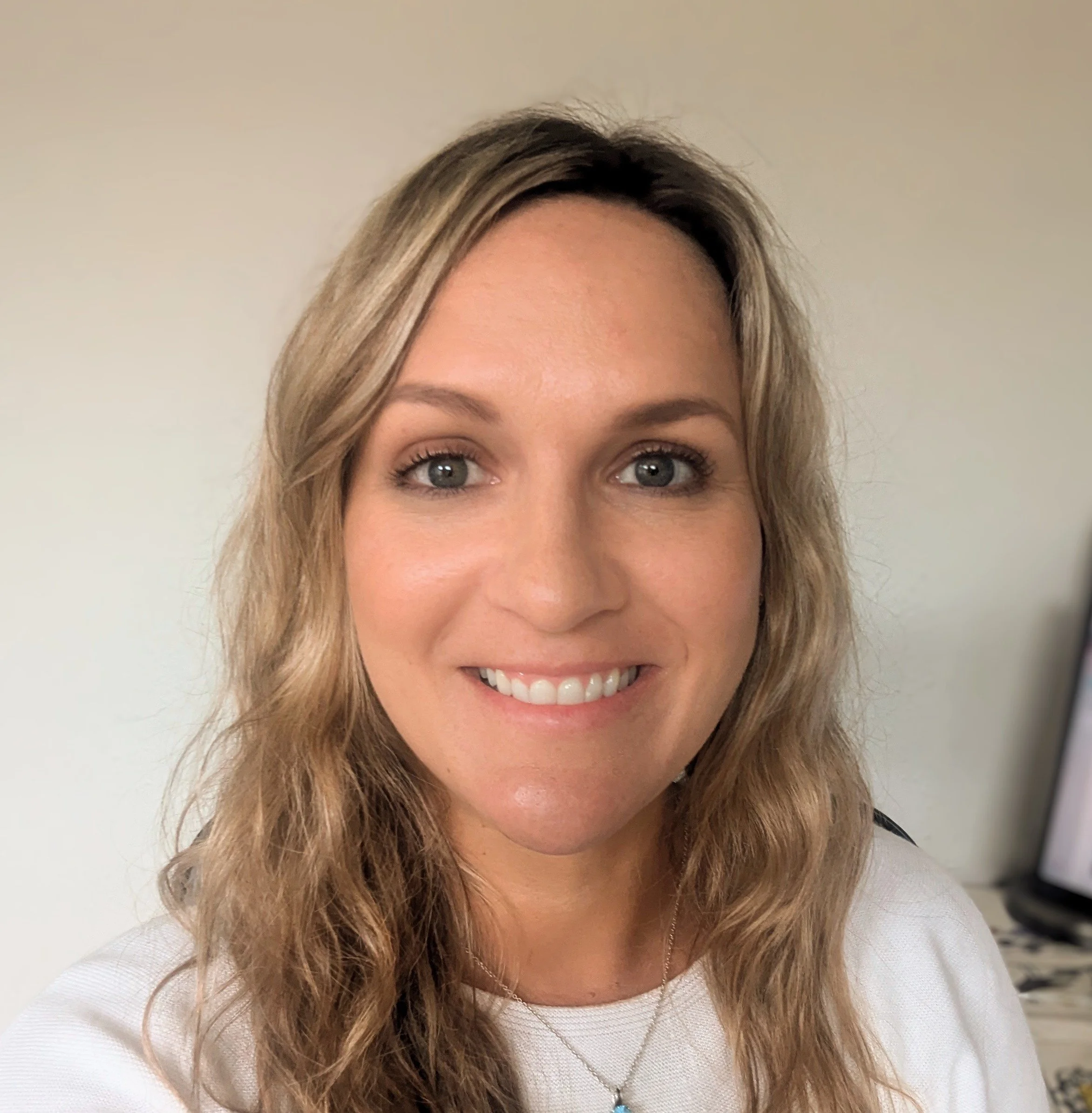
Billie Jago, author of Use of English: ten more practice tests for the Cambridge C1 Advanced, which published earlier this year, talks to us about her experience of producing content for the ELT industry.
Billie Jago is a Cambridge-based ELT writer, teacher and teacher trainer, and has written ELT print and digital materials for Pearson Education, National Geographic, and educational organisations Education First and Wall Street English. She is currently completing her DELTA qualification.
How long have you worked in English-language education, and why did you choose this as a career?
I’ve always been interested in the English language, ever since I was little. I used to spend all my time writing poems, songs and stories, and was even published at the age of 12! So I always knew I’d end up working in the English-language industry.
I began teaching English as a foreign language in 2012, first in Italy, then back in the UK at a summer school in my hometown. I then decided to take the plunge and go further afield, and applied for a six-month teaching position in China. One year later, I moved on to live in Valencia, Spain, and set up a private teaching business with my partner, teaching 1:1 Cambridge Exam classes from our home. After a very busy three years in Spain, I moved back to the UK to begin my DELTA alongside teaching and eventual teacher training in Cambridge. I now work as a freelance materials writer, teacher trainer and ELT consultant.
How would you describe the difference in language mastery between B2 and C1?
Often, when students get to B2, there seems to be a ‘plateau’ effect, where they seem to find it hard to push themselves, or know what to do to advance to the next CEFR level. I think when students do get to an advanced level of English, they begin to bring in more colloquial language such as phrasal verbs and fixed expression, and begin to use fewer high-frequency words. They have a wider range of vocabulary, and they’re generally able to have more in-depth discussions, both formally and formally. Often, I think C1 students are able to work more autonomously to find new ways to challenge themselves with the language.
Which parts of the Cambridge exams do you think students struggle with the most?
From my experience, the Use of English and the writing are the most challenging parts. In Part 4 of the Use of English, students are required to have knowledge of quite a wide range of phrasal verbs and set phrases, as well as be able to understand how to use them grammatically to complete a sentence. In terms of writing, students nowadays are putting pen to paper less and less outside of the classroom, often leading to a general dislike for writing, and difficulties in structuring their ideas on paper.
What are the challenges in writing assessment pieces for Cambridge exams?
Finding a balance between writing about something the test-taker would find an interest in and adhering to the Cambridge Exam standards can be quite tricky. Often, exam material can be quite dry, and that’s because students shouldn’t have a pre-existing knowledge as an advantage in an exam, but I think it’s important to have something that the students will enjoy reading about to allow them to associate what they’re doing in the exam with ‘real-life’ English that they can use outside of the classroom.
Is there any one, last-minute technique or piece of advice that you would give a student about to sit their exam?
Don’t panic and cram all your studying in the night before! Doing this will only make you worry on the day. The more nervous a person is, the more likely they are to make mistakes, so just relax and remember all the hard you’ve put in up until this point then GO FOR IT!
You have written content for mobile apps – can you tell us about the challenges involved with this?
I absolutely love writing app content, because students can benefit from it at anytime and in any place they want to study. Getting used to the authoring templates and tools can initially be daunting, but once you’ve got the hang of the (often limited) task types you can use, it becomes easier. The main concern is keeping to the word count. There’s significantly less space on an app, so keeping rubrics and the content short can be tough, especially when you’re trying to be creative at the same time!
What are you currently working on and what will you be doing next?
I’m currently finishing off two Teacher’s Books – one for an adult course for National Geographic and the other for a Primary course for Pearson. I’m also writing video scripts and visual content for an exciting new self-study platform for a major publisher, and I’m in the process of completing my own new Teacher’s Resource book due for release in September with Prosperity Education!
What’s next? I’m due to start on a digital project for the PTE Academic exam, and will soon be launching my own teacher-training business, with webinars, podcasts and interviews with experts. Watch this space!