International Day of Human Space Flight: Honouring Humanity’s Leap Into the Cosmos
On April 12, 1961, a 27-year-old Soviet cosmonaut named Yuri Gagarin soared into the skies aboard the Vostok 1 spacecraft and changed the course of history. For the first time, a human being left Earth’s atmosphere, orbited our planet, and safely returned—ushering in the era of human space exploration. Today, 64 years later, we celebrate the International Day of Human Space Flight as a global tribute to Gagarin’s monumental journey and to all those who dare to dream beyond the stars.
From One Small Orbit to Giant Leaps
What began as a Cold War-era race between superpowers has evolved into a rich tapestry of international collaboration, innovation, and imagination. From the Moon landings and the space shuttle program to the International Space Station (ISS)—a marvel of cooperation between over 15 nations—our ventures into space have always been a reflection of both our highest ambitions and our deepest curiosities.
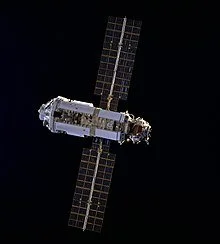
In 2025, humanity is preparing for new adventures. NASA's Artemis missions aim to return humans to the Moon and establish a sustainable presence. Meanwhile, agencies in Europe, India, China, and the private sector are pushing the boundaries further with plans for Mars, asteroid mining, and even space tourism.
Why This Day Matters to All of Us
The International Day of Human Space Flight isn't just about rockets and astronauts—it's about what space travel teaches us about being human:
Perspective: From orbit, borders vanish. Astronauts speak often of the “overview effect”—a profound realization of Earth’s fragility and unity.
Innovation: Everyday technologies we rely on—GPS, weather forecasting, satellite communications—owe their existence to space research.
Inspiration: Spaceflight represents the triumph of imagination, science, and collaboration. It reminds us that we are capable of extraordinary things when we dream together.
How to Celebrate
Here are a few ways you can commemorate this awe-inspiring day:
Look Up: Step outside tonight and gaze at the stars. Consider downloading a stargazing app to spot satellites or constellations.
Watch a Space Documentary: From Apollo 11 to The Mars Generation, there are countless films that capture the drama and wonder of space exploration.
Read the Words of Astronauts: Dive into memoirs like Chris Hadfield’s An Astronaut’s Guide to Life on Earth or Scott Kelly’s Endurance.
Explore Space Science with Kids: Make it a family event with model rockets, space-themed crafts, or virtual tours of the ISS.
Support STEM Education: Donate to or volunteer with organizations inspiring the next generation of scientists, engineers, and explorers.
The Future Is Calling
As we look ahead, one thing is clear: the journey has only just begun. The next generation of explorers—perhaps born today—may walk on Mars, live on lunar bases, or even navigate distant star systems. What began with Yuri Gagarin has become a shared odyssey of imagination, courage, and hope.
On this International Day of Human Space Flight, let’s celebrate not just where we’ve been, but where we’re going. Because when we reach for the stars, we discover the very best of ourselves.