Everything You Need to Know About Dalmatian Dogs
With their striking black or liver-colored spots against a sleek white coat, Dalmatian dogs are one of the most recognisable and iconic dog breeds in the world. Famous for their appearance and a starring role in pop culture (thanks to the beloved "101 Dalmatians"), these energetic and friendly dogs have much more to offer than just their good looks. Let’s dive into everything you need to know about Dalmatians and what makes them such a unique breed.
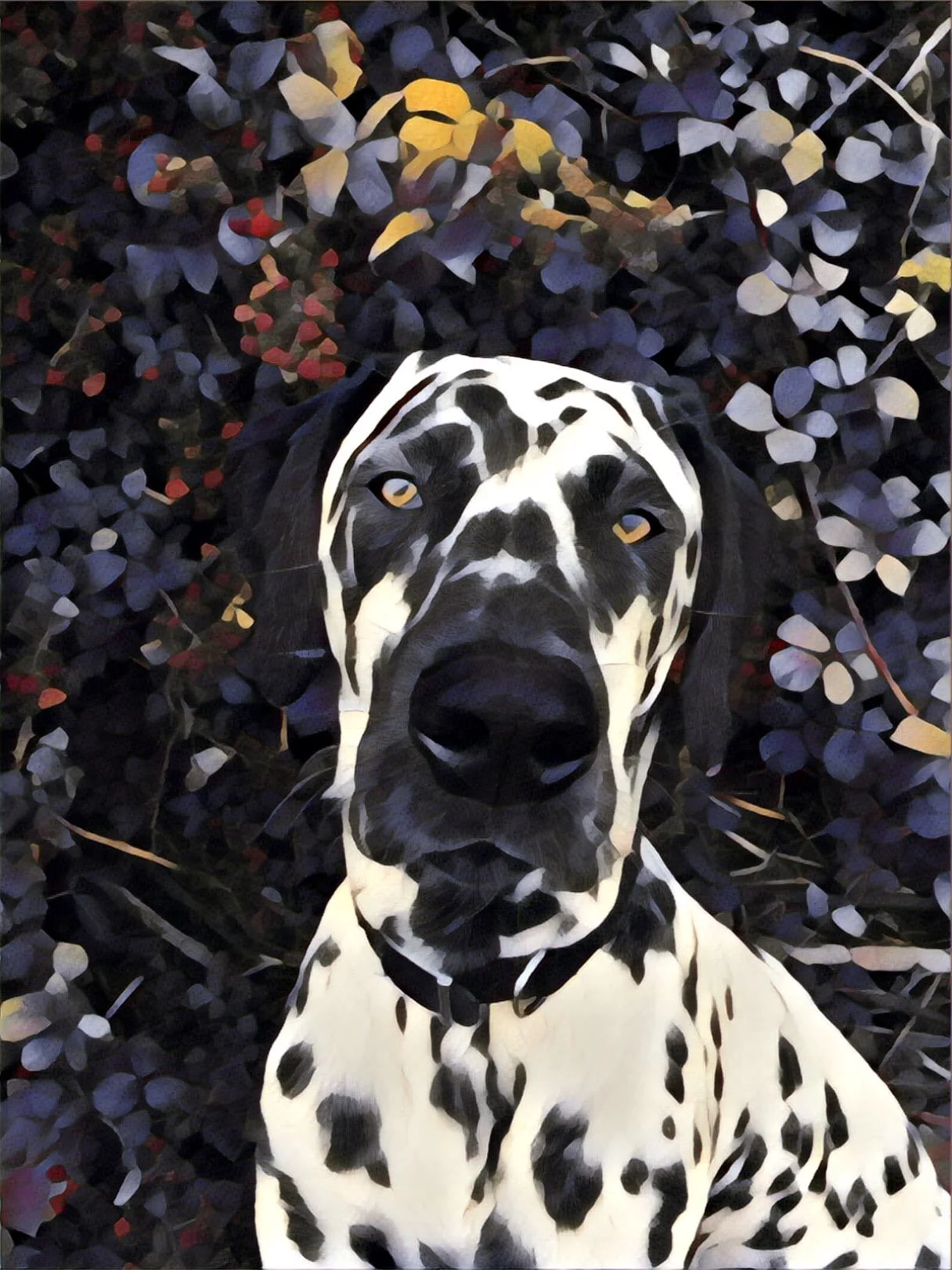
Here at Prosperity Education, we are privileged to work alongside Max, a 9-year-old Dalmatian who is (mostly) a very good boy.
A Short History of the Dalmatian
The origins of the Dalmatian are somewhat shrouded in mystery, but the breed’s name comes from the Dalmatia region (modern-day Croatia), where they were first recognized. Historical records show that Dalmatians were used for a variety of roles, including as carriage dogs, guard dogs, and even rat catchers. Their history as carriage dogs made them famous for their ability to run alongside horse-drawn carriages and protect the horses and passengers from threats.
Dalmatians were also used by firefighters, a role that likely contributed to their popularity in the 19th century. Firehouse Dalmatians were trained to clear the way for fire trucks and guard the horses while the firefighters worked. This long history of working alongside humans has made the Dalmatian a loyal and highly energetic breed.
The Dalmatian’s Unique Appearance
One of the most striking features of the Dalmatian is its distinctive coat. The breed is famous for its black or liver-colored spots on a pure white coat, but did you know that Dalmatians are born entirely white? The spots begin to appear as the puppy matures, and by the time they reach adulthood, the spots are fully developed, though they can continue to develop into their early years.
While the spots are a major part of the Dalmatian's charm, they require some attention when it comes to grooming. Their short, sleek coat sheds quite a bit, so regular brushing helps manage the shedding. While they don’t require much maintenance in terms of grooming, Dalmatians do need regular exercise and mental stimulation to stay healthy and happy.
Personality and Temperament
Dalmatians are known for their energetic, friendly, and intelligent personalities. They are typically very social dogs who enjoy being part of the family and interacting with people. However, they are also independent and can sometimes show a stubborn streak, which can make training a bit challenging. Consistent and positive reinforcement training works best for Dalmatians, as they respond well to praise and rewards.
Their high energy level means that Dalmatians require regular physical and mental exercise to prevent boredom. Without enough stimulation, they can become restless and may develop destructive behaviors. Daily walks, runs, or playtime in a secure yard are essential for keeping a Dalmatian content. They’re also excellent playmates for active families, as they enjoy playing games like fetch.
Despite their high energy, Dalmatians are typically good with children and other pets, although early socialization is crucial. They are often protective of their family members, which can make them excellent watchdogs, but they are not usually aggressive.
Health Considerations
Like all dog breeds, Dalmatians are susceptible to certain health issues. The most common health concerns in Dalmatians are:
Deafness: Dalmatians are prone to congenital deafness, and it’s estimated that around 8% to 10% of Dalmatians are born deaf in one or both ears. Regular hearing tests are recommended, and if a Dalmatian is found to be deaf, they can live happy, fulfilling lives with proper training and communication methods.
Hip Dysplasia: Like many larger dog breeds, Dalmatians can be prone to hip dysplasia, a genetic condition that causes the hip joint to develop abnormally. Regular check-ups with the vet, a balanced diet, and appropriate exercise can help manage this condition.
Urinary Stones: Dalmatians have a unique urinary system, which makes them more prone to developing urinary stones. A special diet may be required to prevent this, and plenty of water should be provided to keep their urinary system healthy.
The Dalmatian’s Role in Popular Culture
Dalmatians became a household name thanks to the 1956 novel 101 Dalmatians by Dodie Smith, which was later adapted into a beloved Disney animated film in 1961 and a live-action movie in 1996. The story of Pongo and Perdita, two Dalmatians who rescue their stolen puppies from the evil Cruella de Vil, cemented the breed's place in pop culture and made it an enduring symbol of family and loyalty.
While the Disney franchise undoubtedly increased the popularity of Dalmatians, it’s important to remember that owning a Dalmatian is a commitment that requires time, effort, and attention. Their energetic nature and unique health needs mean they’re best suited to active families or individuals who can provide them with plenty of physical and mental exercise.
Are Dalmatians the Right Dog for You?
If you're considering bringing a Dalmatian into your life, it's important to evaluate whether the breed's characteristics align with your lifestyle. Dalmatians are best suited to owners who are active and can provide them with plenty of attention, exercise, and training. They thrive in environments where they are included in family activities and enjoy regular outdoor time.
Their intelligence and friendly nature make them great companions, but they do require proper socialization and consistent training. Dalmatians are not typically a breed that enjoys being left alone for long periods, so if you're away from home frequently, a Dalmatian might not be the ideal choice.